

Fragrance is not the highest-revenue category in airport duty-free. It is not the highest-margin. It is not the most talked about in boardrooms. But it is, by virtually every operational measure, the most important category on the floor. Fragrance is the anchor — the category that brings more people into the store, generates more transactions, and creates more cross-category spending than anything else in duty-free. Understanding why is essential for anyone managing airport retail.
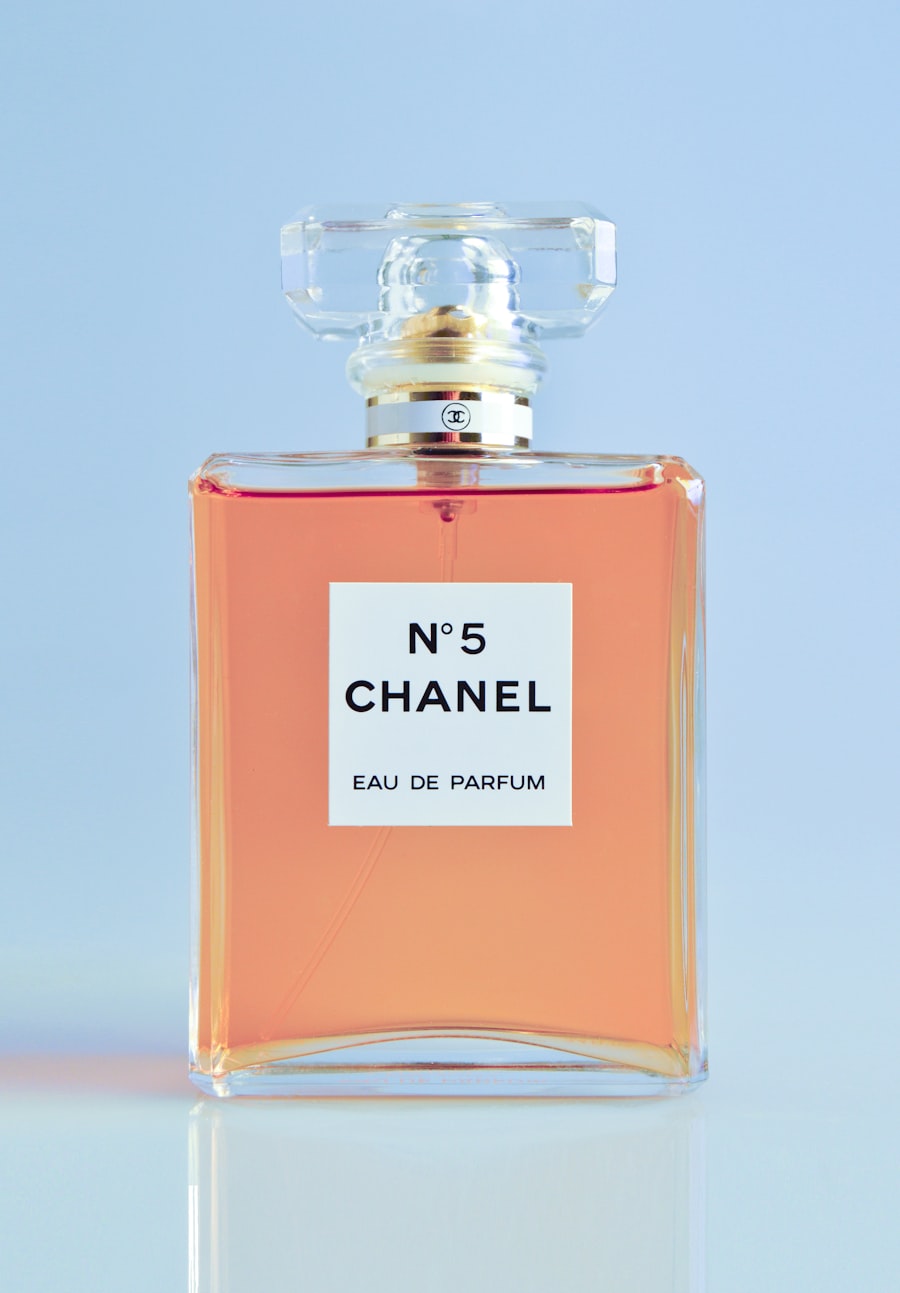
Ask a seasoned duty-free operator which category they would sacrifice last, and the answer is almost always fragrance. Not because it generates the most revenue per square metre — spirits and luxury watches beat it handily on that metric — but because removing fragrance collapses the commercial ecosystem of the entire store. It is the category that generates the foot traffic other categories depend on.
Why Fragrance Pulls People In
The traffic-generation dynamics unique to scent
Fragrance has three structural properties that make it uniquely powerful as a traffic anchor in travel retail.
It is sensory. You can walk past a wall of whisky bottles or a rack of handbags without breaking stride. Fragrance stops people. The physical act of smelling — of picking up a tester, spraying, pausing — is the most engaging physical interaction available in any duty-free store. No other category creates this involuntary pause in a moving stream of passengers.
It is universal. Fragrance appeals across every demographic: men and women, young and old, business and leisure, every nationality. Spirits skew male. Cosmetics skew female. Electronics skew young. Fragrance crosses every line. This universality means it captures the widest possible slice of passenger footfall.
It is affordable. The entry price point for fragrance — a 30ml eau de toilette at $35–50 — is low enough to qualify as an impulse purchase for nearly every international traveller. This means fragrance captures not just the dedicated shoppers but the casual browsers, the time-killers, the "I'll just have a quick look" passengers. These are the shoppers most other categories can't reach.
"Fragrance is the one category where the customer experience cannot be replicated online. You cannot smell through a screen. That makes the airport counter the single most important touchpoint for every fragrance brand on earth."— Senior VP Commercial, a major French luxury fragrance house (TFWA panel, Cannes 2023)
Fragrance by the Numbers
Revenue, conversion, and the cross-selling multiplier
Fragrance and beauty combined account for approximately 28–32% of total duty-free revenue globally — making the combined category the largest or second-largest in most airports (neck-and-neck with spirits, depending on the region). Within that, fragrance alone accounts for roughly 15–18% of total duty-free revenue.
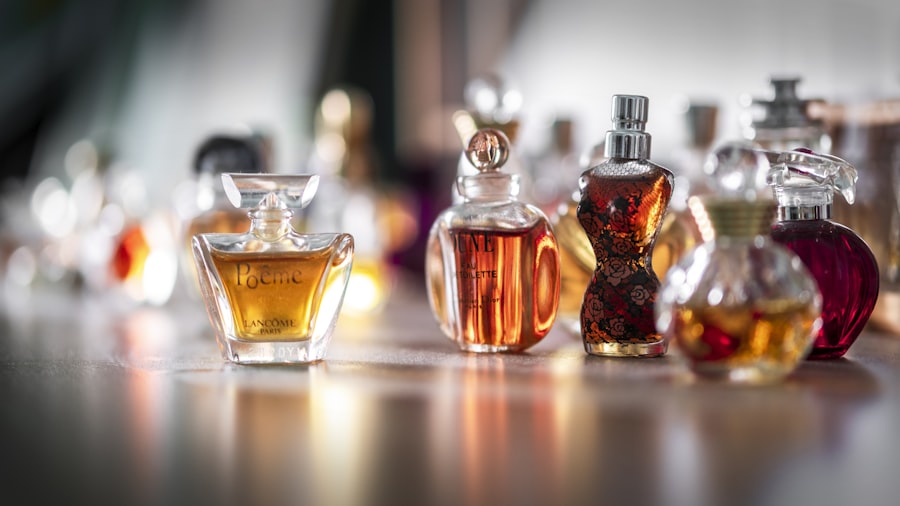
But the most important number about fragrance is not its own revenue — it is its cross-shop rate. Research across multiple operators consistently shows that 60–65% of customers who make a fragrance purchase go on to make at least one additional purchase in another category during the same store visit. This cross-shop rate is substantially higher than spirits (42%), confectionery (38%), or fashion (28%). In commercial terms, a customer who enters the fragrance zone is a customer who buys more of everything.
Why Travellers Buy Fragrance in Airports
The four purchase motivations that make airports uniquely powerful for scent
Consumer research consistently identifies four motivations for fragrance purchase in travel retail — and critically, only one of them is about getting a cheaper price.
Gifting leads at 38% — fragrance remains one of the most universally acceptable gifts across cultures. A bottle of Chanel No. 5 or Dior Sauvage carries a clear value signal without the sizing problems of clothing or the cultural complexities of food.
Discovery and trial is the second driver at 32%. This is where the airport environment is genuinely unique. With 60–90 minutes of dwell time and no social pressure, travellers browse and experiment with brands they've seen advertised but never tested. Niche fragrance brands — Byredo, Le Labo, Maison Margiela — have grown their travel retail presence precisely because the airport is where consumers discover them for the first time.
Building a Fragrance Zone That Converts
The spatial, staffing, and display principles that drive performance
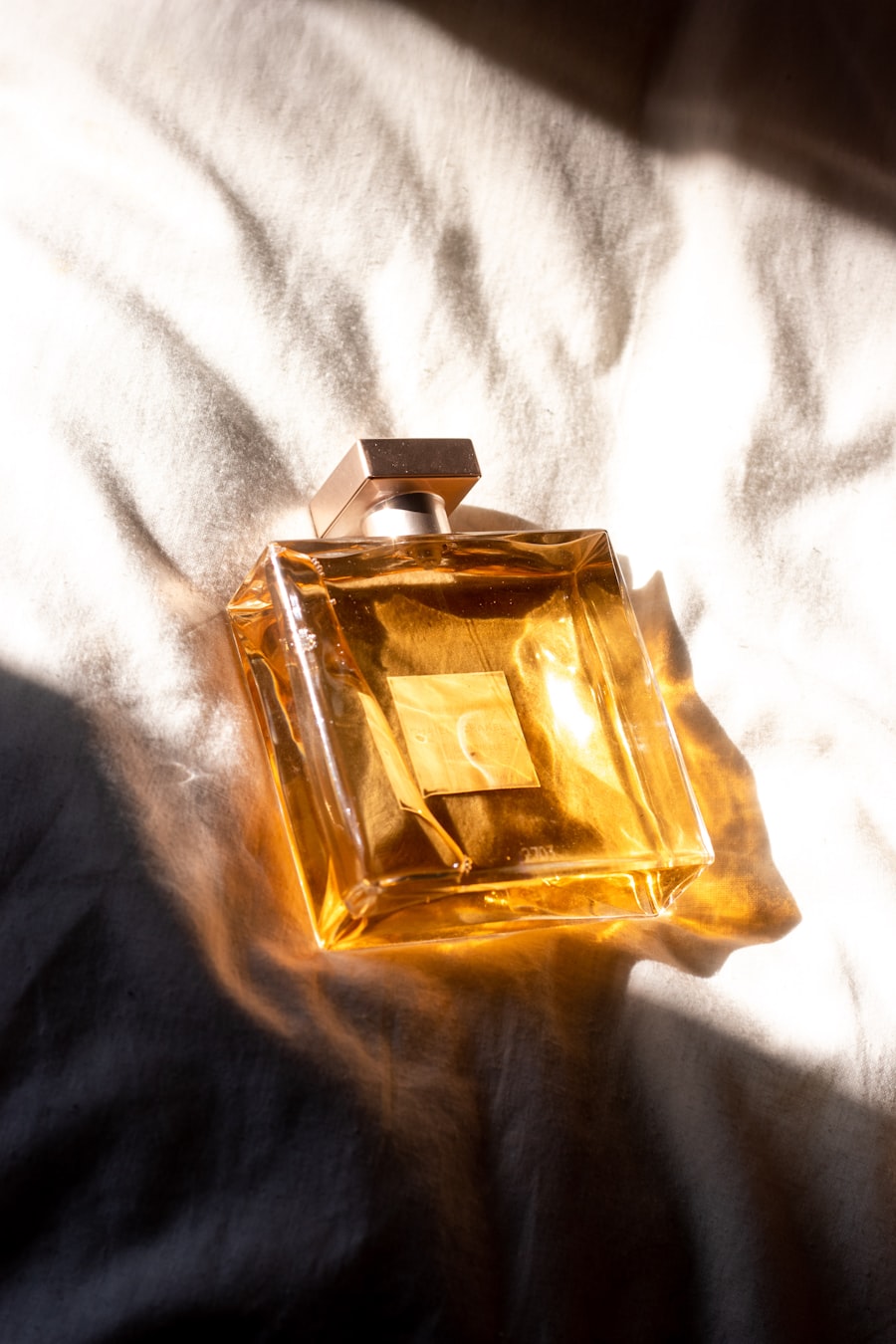
Three merchandising principles consistently differentiate high-performing fragrance zones from average ones.
Position at the entry. Fragrance should be the first category passengers encounter after entering the duty-free zone. Every major high-performing store — Dubai DDF, Changi T3, Incheon — places fragrance at the front. The logic is simple: capture the browsing impulse before it fades. Passengers who walk past spirits or tobacco first will reach fragrance with less browsing energy and less remaining dwell time.
Invest in beauty advisors. Fragrance has the highest staff-to-conversion correlation of any duty-free category. Stores with dedicated fragrance advisors — trained staff who approach, suggest, and spray — consistently achieve 8–12 percentage points higher conversion than self-serve fragrance zones. The economics of this are clear: one additional staff member generating even three extra transactions per hour at an ATV of $82 pays for themselves within the first two hours of a shift.
Separate niche from mainstream. High-performing stores create a distinct niche fragrance area — physically separated, quieter, with darker wood fixtures and lower lighting — adjacent to but not mixed with the mainstream brands. This creates a deliberate sense of discovery and exclusivity that drives the niche segment's higher ATV ($120+ versus $65 for mainstream).
What's Next for Fragrance in Travel Retail?
Niche growth, digital sampling, and the sustainability question
Three trends will define fragrance in duty-free over the next five years.
Niche will keep growing. Niche fragrance — brands like Byredo, Diptyque, Le Labo, and Maison Francis Kurkdjian — is growing at 25–35% annually in travel retail, far outpacing mainstream brands at 3–5%. For operators, the implication is that niche brands need proportionally more space than their current revenue share justifies, because they are the growth engine.
Digital sampling will supplement (not replace) physical. AR scent visualisation and skin-chemistry matching tools are arriving in airport fragrance zones. These tools won't replace the physical spray, but they will extend the interaction for time-pressed travellers and enable pre-selection that the beauty advisor then fulfils.
Sustainability will reshape packaging. Refillable fragrance bottles — already growing in domestic retail — will enter travel retail within 2–3 years. For operators, this creates a new revenue stream (selling refill cartridges) but also a display challenge: how do you merchandise a product whose visual appeal is based on the bottle when the bottle stays home?
Five Things to Carry Away
- Fragrance accounts for 22–30% of all duty-free transactions — the highest conversion contribution of any category. It is the primary traffic driver for the entire store.
- 64% of fragrance buyers cross-shop into at least one other category. Every $1 of fragrance revenue generates $0.40–0.55 in additional revenue elsewhere.
- Position fragrance at the store entry. Every high-performing duty-free operation in the world does this. Burying it mid-floor costs 10–15% of conversion.
- Dedicated beauty advisors add 8–12 points of conversion compared to self-serve. The staff investment pays for itself within hours, not weeks.
- Niche fragrance is growing at 25–35% annually and commands ATVs nearly double the mainstream segment. Allocate space for where the growth is, not where the current revenue is.